Problems
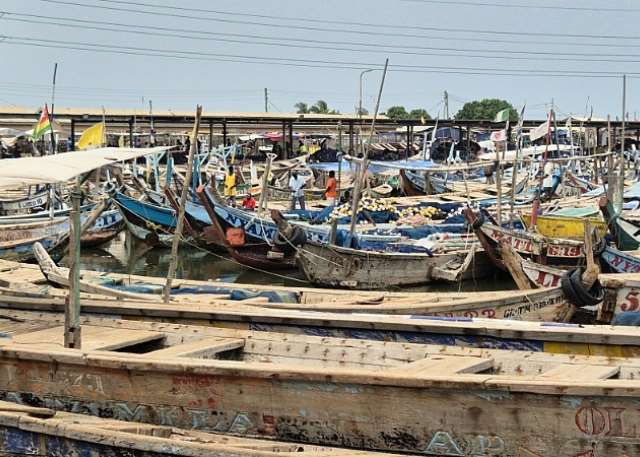
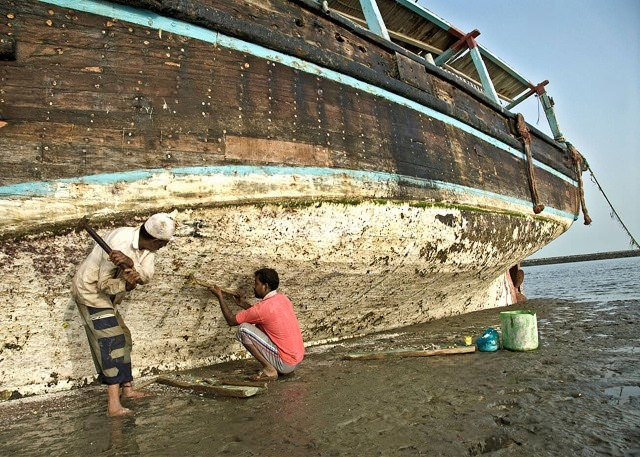
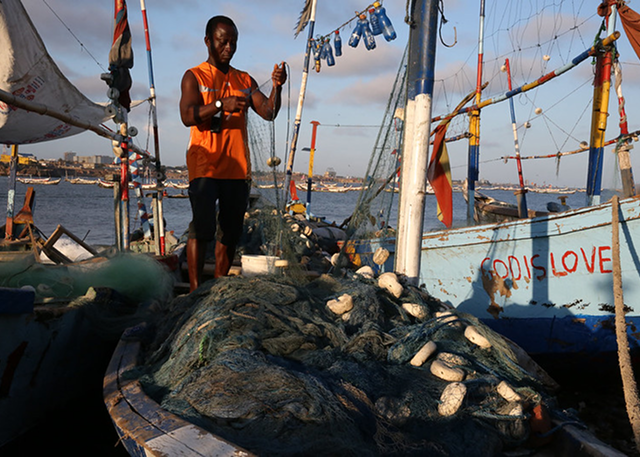
Across the coastal communities of Ghana, fishing is more than just an occupation. It is a way of life. For generations, it has fed families, built communities, and sustained the local economy. But today, this lifeline is under grave threat.
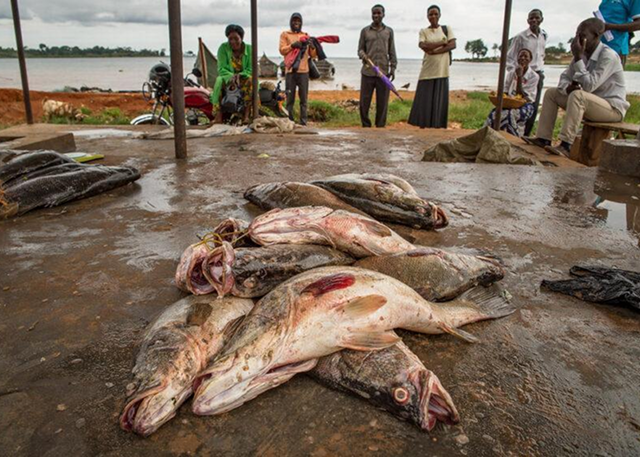
More than 10% of Ghana’s population, over 3 million people, depend directly on the fishing industry for their livelihood (FAO, 2023). Sadly, this vital sector is rapidly declining due to a combination of overfishing, pollution, climate change, and illegal industrial trawlers depleting the ocean’s resources. The once-bountiful waters are now silent, and small-scale fishermen return home empty-handed after long and dangerous journeys at sea.
According to the Environmental Justice Foundation (EJF), more than 300 Ghanaian fishermen lose their lives every year due to unsafe working conditions, lack of safety equipment, and inadequate training. Their deaths are often silent, their families left behind with no support system.
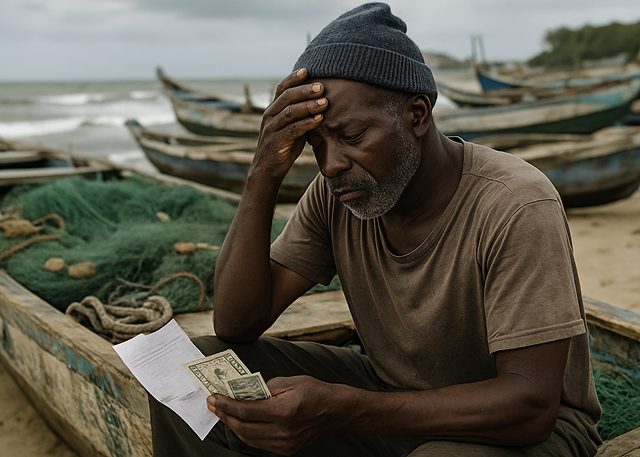
Children in fishing communities suffer deeply from this decline. With families unable to afford basic needs, thousands of children go to bed hungry, with some skipping school to help their parents survive. Young girls are especially vulnerable, often forced into unsafe labor or early marriages to help support their families.
“Some days, we stay at sea for hours and come back with nothing. My nets are torn, my boat is tired, but I have mouths to feed. I just wish someone cared enough to help.”
— Frederick Adu, Fishmonger & Community Advocate
We exist because we care. We exist because someone must.
Fisherman’s Wharf Ghana was born from the very soil of these communities, not just as a project but as a lifeline. We are here to rebuild hope where it has been lost. We are here to create safer fishing conditions, sustainable incomes, and a future for the children of Ghana’s coasts.
This is not just about fish. It’s about families, dignity, and the right to survive.